
Food Groups and Nutritional Diversity

Understanding the Contributions of Different Food Categories

The Concept of Food Groups

Food groups are categories of foods that share similar nutritional profiles and contribute specific nutrients to the diet. Various classification systems exist globally, organized by factors such as plant versus animal origin, or by primary nutrient content.

The concept of food diversity recognizes that different foods contribute different combinations of nutrients. A balanced dietary approach typically emphasizes variety across food groups rather than focusing on individual foods.
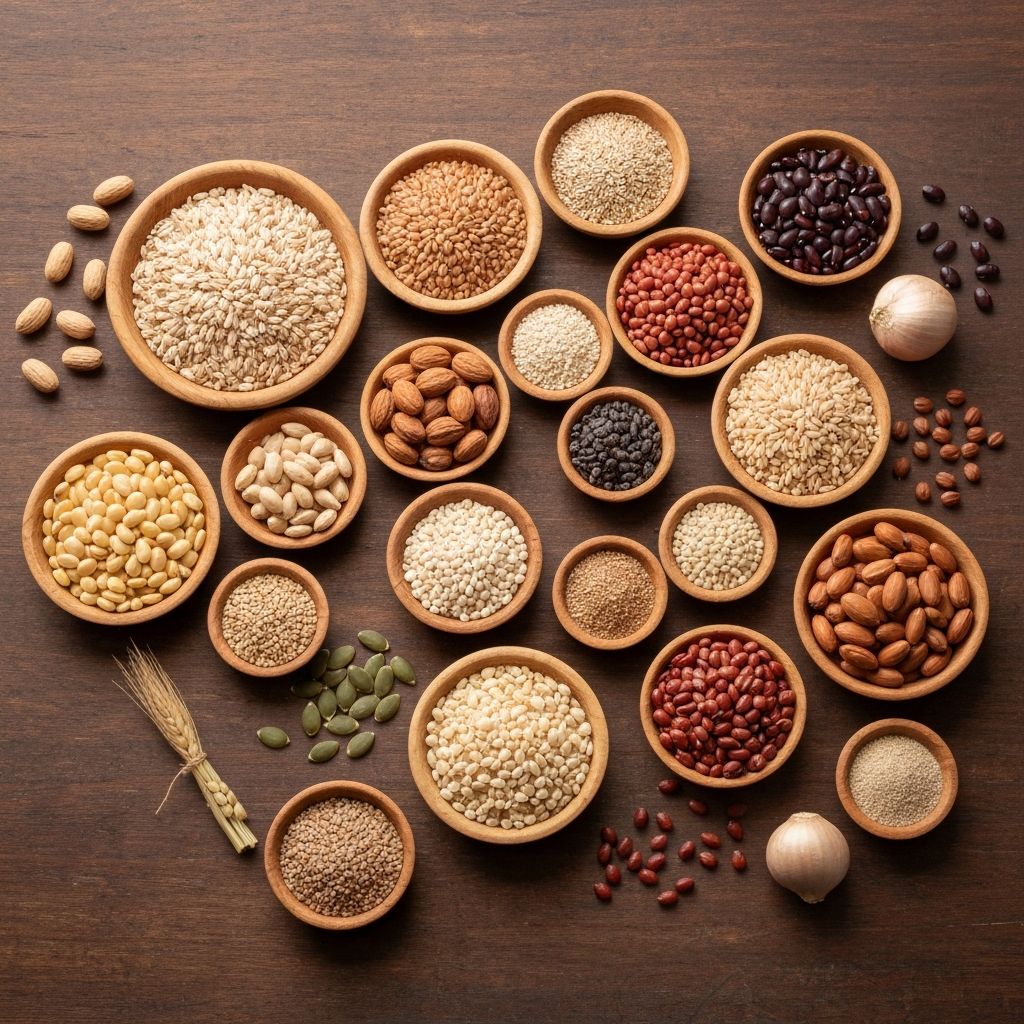
Nutritious foods displayed together

Primary Food Categories

Whole Grains and Starches

These foods provide carbohydrates, fiber, and B vitamins. Whole grain options retain the bran and germ, offering more fiber than refined versions. This group includes rice, wheat, oats, and other cereal grains.

Vegetables and Fruits

Rich in vitamins, minerals, fiber, and phytonutrients, these foods contribute essential micronutrients. The variety of colors reflects different phytonutrient compositions. Fresh, frozen, and canned options all contribute nutritional value.

Protein Sources

Including both animal and plant-based options, protein sources contribute amino acids and various micronutrients. Options include meat, fish, dairy, legumes, nuts, and seeds, each with distinct nutritional profiles.

Fats and Oils

Essential for various biological functions, dietary fats come from sources such as nuts, seeds, oils, fish, and other foods. Different types of fats—saturated, monounsaturated, and polyunsaturated—have distinct properties.

Legumes and Pulses

Beans, lentils, and peas provide protein, fiber, and various micronutrients. These foods bridge plant and animal protein categories and are staples in many global food traditions.

Dairy and Alternatives

Traditional dairy products and plant-based alternatives provide calcium, protein, and other nutrients. Availability and cultural appropriateness vary by region and individual circumstances.

Nutritional Contributions

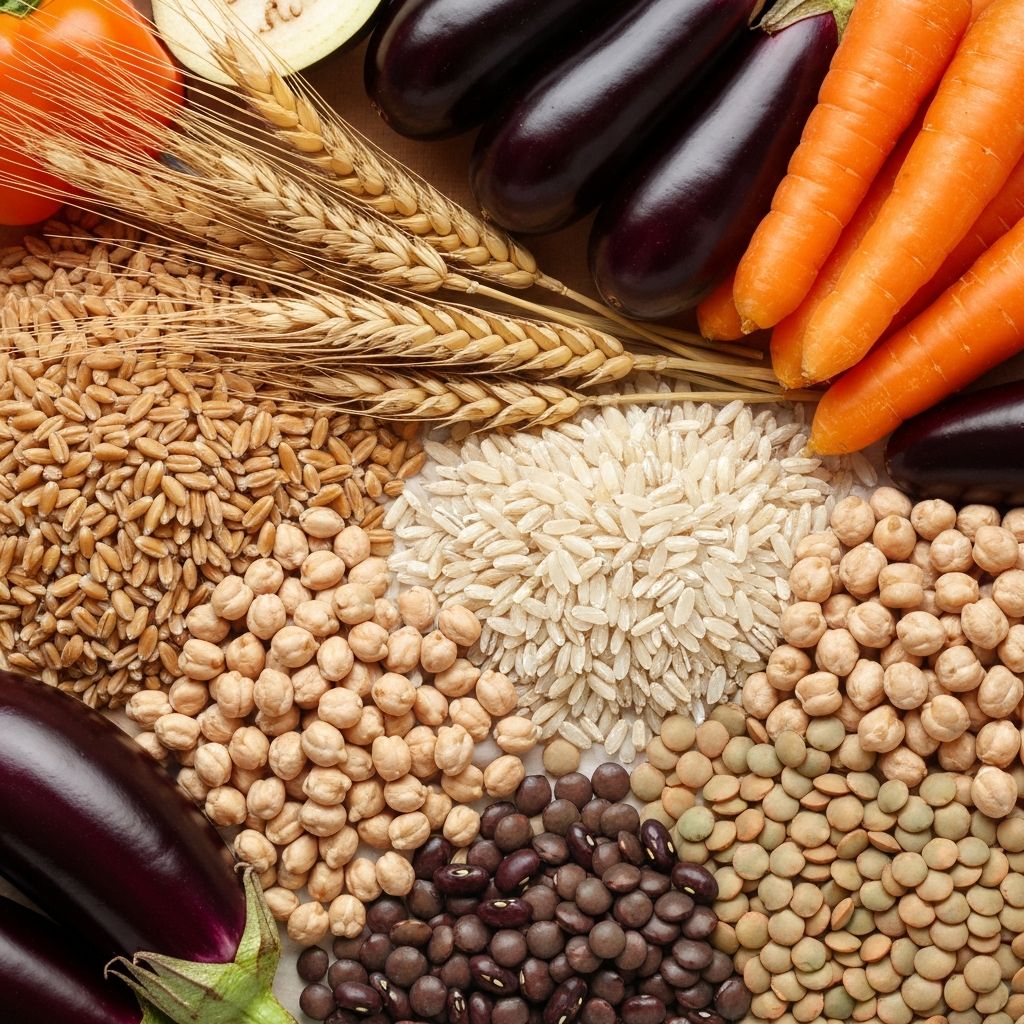
Detailed close-up of nutritious foods

Variety and Balance

Different foods provide different nutrient profiles. Incorporating variety across food groups helps ensure adequate intake of diverse nutrients. The specific foods available and culturally appropriate varies significantly by region and individual circumstances.

Food preparation methods, portion sizes, and frequency of consumption all influence overall nutritional intake. Individual needs vary based on age, activity level, health status, and personal factors.

Cultural and Global Perspectives

Dietary Traditions
Different cultures have developed diverse food patterns and traditions over centuries. These reflect local food availability, cultural values, and acquired knowledge about nutrition and sustainability.
Food Accessibility
Available food options vary globally and locally based on geography, economics, agriculture, and infrastructure. This influences actual food choices and nutritional patterns in different populations.
Individual Preferences
Personal food preferences, allergies, intolerances, and ethical considerations all influence food choices. Flexibility within food groups accommodates diverse individual circumstances.

Educational Overview

This article provides educational information about food groups and their nutritional contributions. It is not intended as dietary guidance or individual recommendations. Food choices involve personal, cultural, health, and ethical considerations. For personalized nutritional advice, consult with qualified healthcare professionals or registered dietitians.