
Physical Activity and Health

Exploring Movement, Exercise, and Well-being

The Role of Physical Activity

Physical activity encompasses all bodily movement produced by skeletal muscles that requires energy expenditure. This includes structured exercise, occupational activities, recreational movement, and daily living activities.

Regular physical activity supports various health outcomes including cardiovascular health, muscle and bone maintenance, metabolic function, mental well-being, and overall quality of life. Different types of activity contribute different benefits.

Person doing light physical activity in nature

Types of Physical Activity

Aerobic Activity

Continuous, rhythmic activities like walking, running, swimming, and cycling. Aerobic activity strengthens cardiovascular function and supports endurance. Intensity ranges from light to vigorous depending on effort level.

Resistance Training

Activities involving weights, resistance bands, or body weight that build muscle strength and endurance. Resistance training supports bone density, metabolic function, and functional capacity.

Flexibility and Balance

Activities like stretching, yoga, and tai chi that maintain or improve range of motion and balance. These activities support functional movement, injury prevention, and postural health.

Health Benefits Beyond Weight

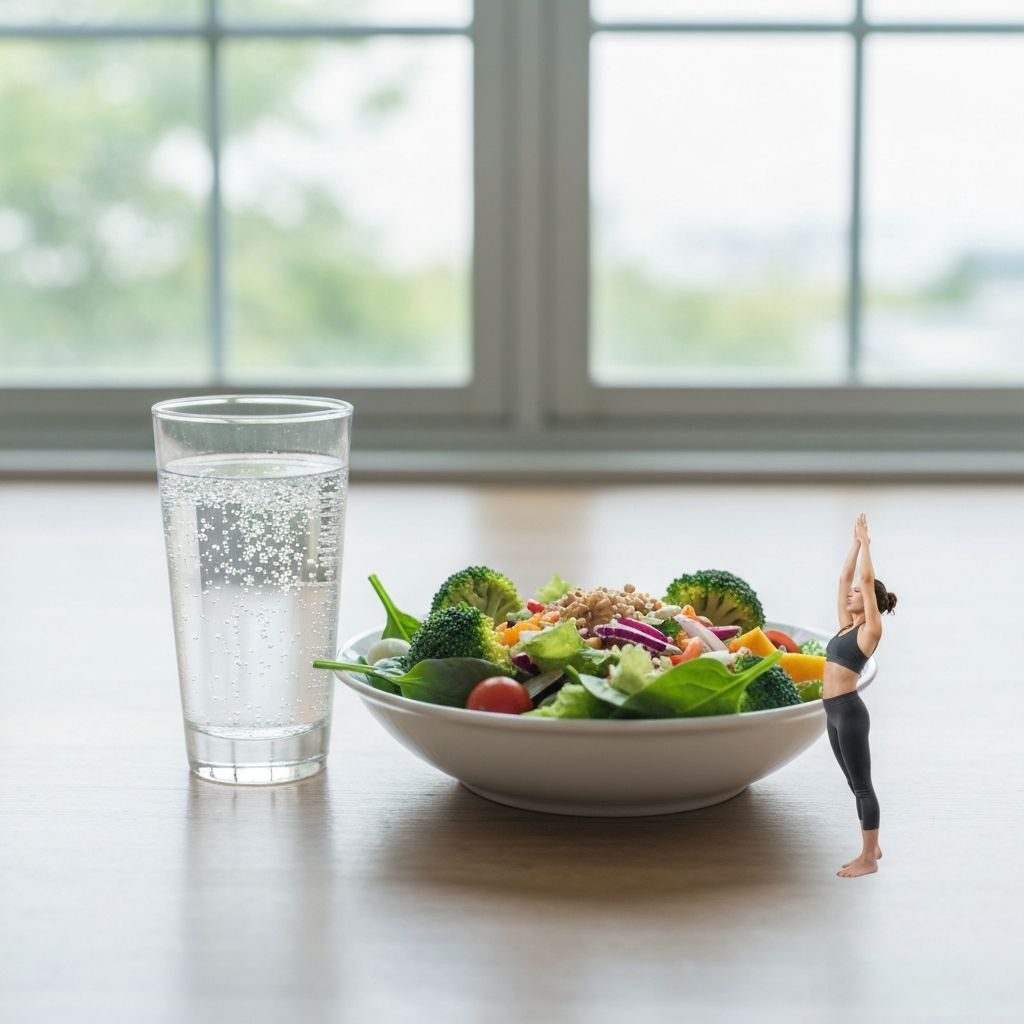
Healthy lifestyle composition

Multifaceted Benefits

Physical activity contributes to health outcomes independent of weight changes. These include improved cardiovascular function, better metabolic markers, enhanced mental health, improved sleep quality, and increased functional capacity.

Regular movement supports cellular health, immune function, and cognitive performance. The relationship between physical activity and health is complex and multidimensional, extending well beyond simple weight management.

Activity Recommendations Overview

General Movement

Health organizations recommend regular physical activity as part of a healthy lifestyle. The specific recommendations regarding frequency, intensity, and duration vary by age, health status, and individual circumstances.

Individual Variation

Optimal activity levels vary among individuals based on fitness level, health conditions, age, and personal circumstances. What constitutes appropriate activity varies significantly.

Gradual Progression

Activity patterns typically develop gradually over time. Starting with achievable levels and gradually increasing intensity or duration supports long-term sustainability and injury prevention.

Individual Enjoyment

Activities that individuals find enjoyable and can sustain over time are more likely to result in consistent participation and long-term health benefits.

Considerations for Activity

Find Enjoyment
Start Gradually
Vary Activities
Consult Professionals

Health and Safety Note

This article provides educational information about physical activity and health. Individuals with existing health conditions, those beginning new exercise programs, or those with specific health concerns should consult appropriate healthcare professionals before making significant changes to activity levels.